Business Credit
The Practical Guide to Business Credit
Business credit can help a company qualify for better vendor terms, financing, and growth opportunities. This guide explains how it works, how to build it, what affects your score, and how to use credit without putting the business on shaky ground.
Introduction to Business Credit
What is business credit?
Business credit is a financial reputation attached to a company. It is built from the business's payment history, credit accounts, public records, reported balances, vendor relationships, and other commercial information.
Unlike personal credit, which follows an individual and is tied to a Social Security number, business credit follows the company. Lenders and bureaus may connect that profile to an EIN, business registration, D-U-N-S number, address, phone number, bank activity, and other company records.
Why business credit matters
Strong business credit can make it easier to access capital, negotiate payment terms with vendors, manage short-term cash flow, and show partners that the business is financially organized. It can also help keep the owner's personal credit from carrying every business obligation.
Business credit vs. personal credit
Personal credit scores are usually based on consumer accounts, payment history, utilization, length of credit history, account mix, and inquiries. Business credit models can include payment trends, trade references, company size, industry risk, public records, and commercial account behavior.
Establishing and Building Business Credit
How to establish business credit
Start by making the business look consistent everywhere it appears. Use the same legal name, address, phone number, website, and industry classification across bank accounts, tax records, vendor applications, bureau profiles, and lender forms.
- Form the business and obtain an EIN from the IRS.
- Open a business bank account under the legal business name.
- Set up a dedicated business phone number, website, and email address.
- Apply for starter vendor accounts or business credit products you can pay on time.
- Track payment dates, balances, and which accounts report to business credit bureaus.
Types of business credit
Business credit can include trade credit from vendors, business credit cards, lines of credit, equipment financing, term loans, invoice financing, and other commercial accounts. Each option has a different purpose, cost, repayment structure, and reporting behavior.
Best practices for building business credit
Pay invoices on time, keep utilization low, maintain clean records, avoid unnecessary applications, and review reports regularly. Building credit is not just about opening accounts; it is about creating a reliable pattern lenders and suppliers can trust.
Business Credit Scores and Reports
Understanding business credit scores
Business credit scores are numerical risk indicators used by lenders, vendors, insurers, and other companies. Many commercial scores use ranges different from personal FICO scores. Some models run from 0 to 100, where higher scores generally signal lower risk.
A business score is only one part of the decision. Lenders may also look at revenue, cash flow, time in business, bank balances, industry, collateral, owner credit, existing debt, and the reason for funding.
How business credit scores are calculated
- Payment history, especially late or missed payments.
- Credit utilization and outstanding balances.
- Length of business credit history.
- Public records such as liens, judgments, or bankruptcies.
- Industry risk, company size, and available trade references.
Business credit reporting agencies
The major business credit bureaus include Dun & Bradstreet, Experian Business, and Equifax Commercial. Other specialty providers may also collect commercial data. Because each bureau uses its own files and scoring methods, one report can look different from another.
Monitoring and Improving Business Credit
How to monitor your business credit
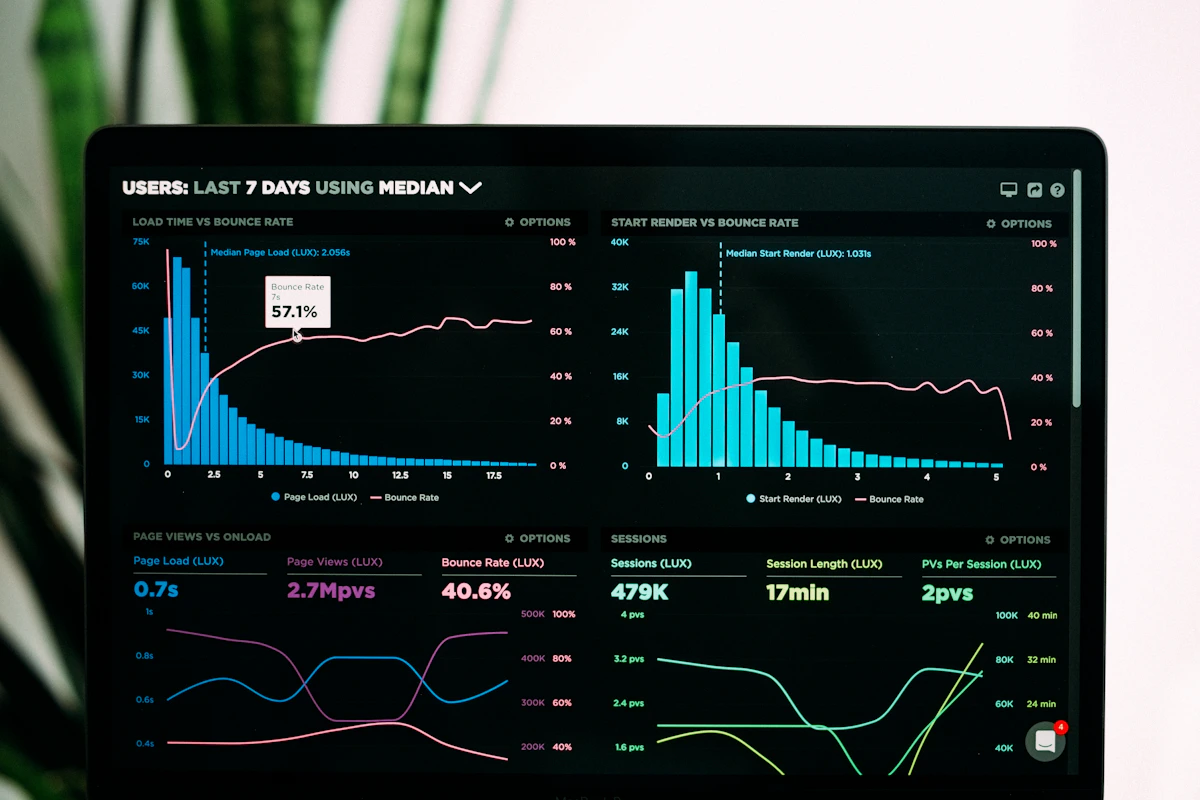
Check business credit reports often enough to catch inaccurate company details, stale balances, missing tradelines, suspicious activity, or public-record errors. Monitoring also helps you understand whether your habits are actually improving the profile over time.
Strategies for maintaining and improving credit
The strongest habits are simple: pay early when possible, avoid maxing out available credit, keep business information consistent, build relationships with vendors, and use credit only when it supports a specific operating goal.
How personal credit can still matter
Business and personal credit are separate, but lenders may still review owner credit or require a personal guarantee. Missed payments on guaranteed accounts can create personal risk, so owners should understand the terms before signing.
Dealing with Bad Business Credit
Consequences of weak business credit
Weak business credit can lead to smaller limits, higher rates, stricter vendor terms, collateral requirements, or fewer financing options. It can also make a business look less stable to partners, landlords, insurers, and suppliers.
Steps to repair and rebuild
- Pull reports and identify inaccurate or outdated information.
- Dispute errors with the appropriate bureau and keep evidence organized.
- Bring delinquent accounts current where possible.
- Reduce utilization and avoid taking on debt the business cannot support.
- Add new positive payment history through accounts that fit current cash flow.
Financing options with damaged credit
Businesses with weaker credit may still find options, but the cost and terms can be less favorable. Secured financing, smaller starter limits, revenue-based products, or carefully managed business cards may be available, but each should be compared against the company's ability to repay.
Leveraging Business Credit for Growth
How good business credit benefits your business
Good business credit can support better borrowing terms, higher spending capacity, stronger vendor relationships, and more room to manage seasonal or unexpected cash flow needs. It also gives the business more options when an opportunity requires speed.
Financing options for businesses with strong credit
Businesses with solid profiles may qualify for bank loans, SBA loans, business credit cards, lines of credit, equipment financing, invoice financing, or supplier terms. The right option depends on purpose, repayment timeline, cost, and risk.
Using credit to expand and manage cash flow
Credit is healthiest when it funds a planned outcome: inventory, equipment, hiring, marketing, technology, or short-term working capital. Before borrowing, the business should know how the credit will increase revenue, protect cash flow, or reduce operating friction.
Business Credit Resources and Tools
Where to check your business credit
Business owners can review reports through major bureaus such as Dun & Bradstreet, Experian Business, and Equifax Commercial. Some monitoring tools also summarize commercial scores, alerts, and profile changes.
Useful tracking tools
Report tracker
Monitor bureaus, score changes, disputes, and reporting dates.
Vendor tracker
Track net terms, balances, due dates, limits, and payment history.
Funding checklist
Confirm identity, bank records, financials, and documentation before applying.
Comparison sheet
Compare rates, fees, terms, guarantees, collateral, and reporting impact.
FAQs About Business Credit
How do I establish business credit for a new business?
Start by creating a separate business identity: form the business, get an EIN, open a business bank account, keep records consistent, and use starter vendors or accounts you can pay on time.
How long does it take to build business credit?
Business credit usually develops over months of reported activity. Accurate records, on-time payments, low utilization, and accounts that actually report are more important than speed.
What is considered a good business credit score?
It depends on the bureau and scoring model. Many commercial scores use a 0 to 100 range where higher is generally better, but lenders also review revenue, cash flow, business age, industry, owner credit, and documentation.
Can business credit affect personal credit?
Yes, depending on the account. Some business products require a personal guarantee or may report serious negative activity to consumer bureaus. Always review issuer and lender terms before applying.
How do I separate personal credit from business credit?
Use a dedicated business bank account, business-only payment cards, a consistent business identity, separate bookkeeping, and avoid using personal accounts for company expenses.
GoCredifi
Build a cleaner path to funding.
Use GoCredifi to organize your business credit strategy, understand lender readiness, and build a profile with fewer blind spots.
Get started